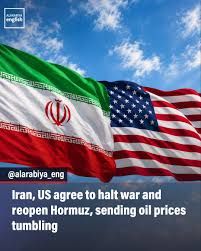
Iran and the United States have announced a preliminary agreement aimed at ending more than 100 days of conflict, paving the way for formal negotiations on Iran’s nuclear programme and potential sanctions relief.
According to Iranian officials, the agreement includes an immediate halt to military operations on all fronts, including in Lebanon. While details of the deal remain limited, both sides have described it as an important step toward reducing tensions in the region.
Pakistan, which has played a key mediating role throughout the conflict, announced that the formal signing ceremony is expected to take place in Geneva, Switzerland, on Friday. Prime Minister Shehbaz Sharif described the agreement as ending more than three months of military confrontation.
The announcement has been welcomed by many international leaders but has drawn criticism from several Israeli political figures. Israeli National Security Minister Itamar Ben-Gvir said the agreement does not bind Israel and expressed concerns about its implications for Israeli security.
Former Israeli Prime Minister Naftali Bennett also criticized the deal, calling it a dangerous development for Israel, while other opposition figures argued that recent military gains could be undermined by the agreement.
Meanwhile, the Lebanese Army has urged displaced residents to exercise caution when returning to southern border communities, warning that security risks may still exist despite the announced ceasefire.
The agreement is being closely watched around the world as leaders assess its potential impact on regional stability, security, and future diplomatic relations in the Middle East.